Good knife skills aren't about speed or showing off; they're about consistency, which is the real secret to even cooking. When every piece of onion or carrot is roughly the same size, everything finishes cooking at the same time, and that alone will improve your food more than almost any other single skill you could learn.
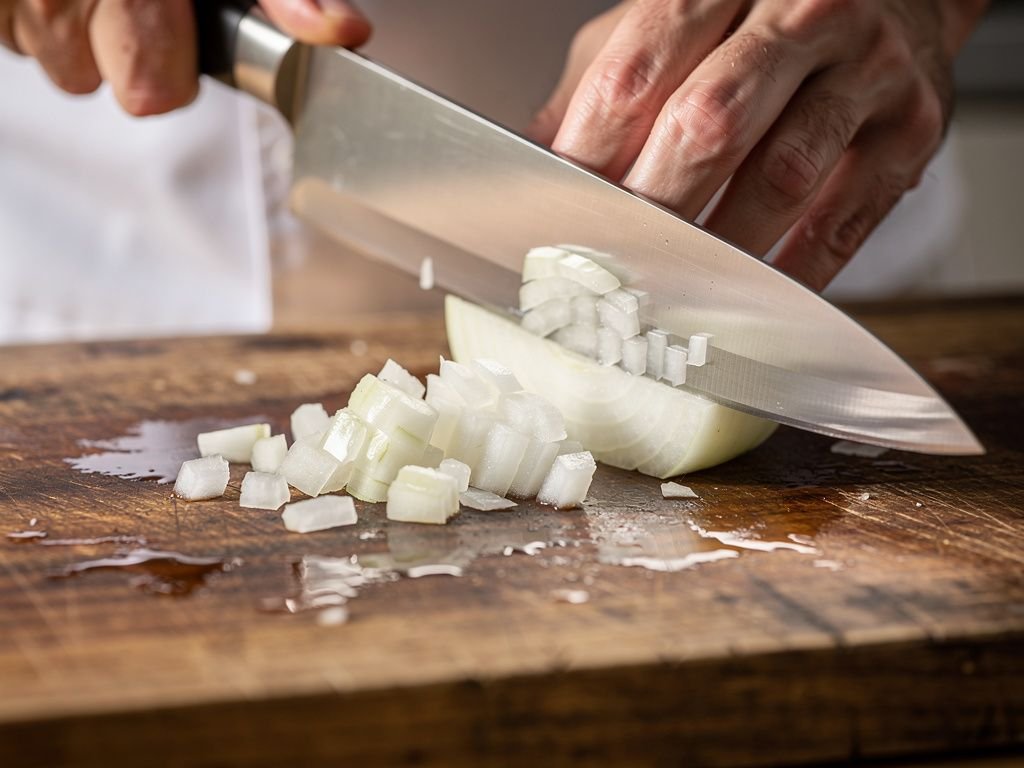
The dice, in its small, medium, and large forms, is the workhorse cut of the kitchen. Start by squaring off your vegetable so it sits flat and stable on the board, then cut it into planks, stack the planks into batons, and finally cut across the batons into cubes. Practicing this on onions is ideal because their layers make uneven cuts immediately visible.
The julienne, thin matchstick strips, comes up constantly in slaws, stir-fries, and garnishes. It's essentially the same process as the dice but stopping at the baton stage, or cutting those batons thinner and leaving them uncubed. Carrots and bell peppers are forgiving vegetables to practice this cut on since their firm texture holds a clean line.
Chiffonade is the cut you'll use for herbs and leafy greens like basil or mint. Stack the leaves, roll them tightly into a cigar shape, and slice thin ribbons across the roll. This technique bruises the leaves less than chopping them loose on the board, which matters for delicate herbs that oxidize and darken quickly once cut.
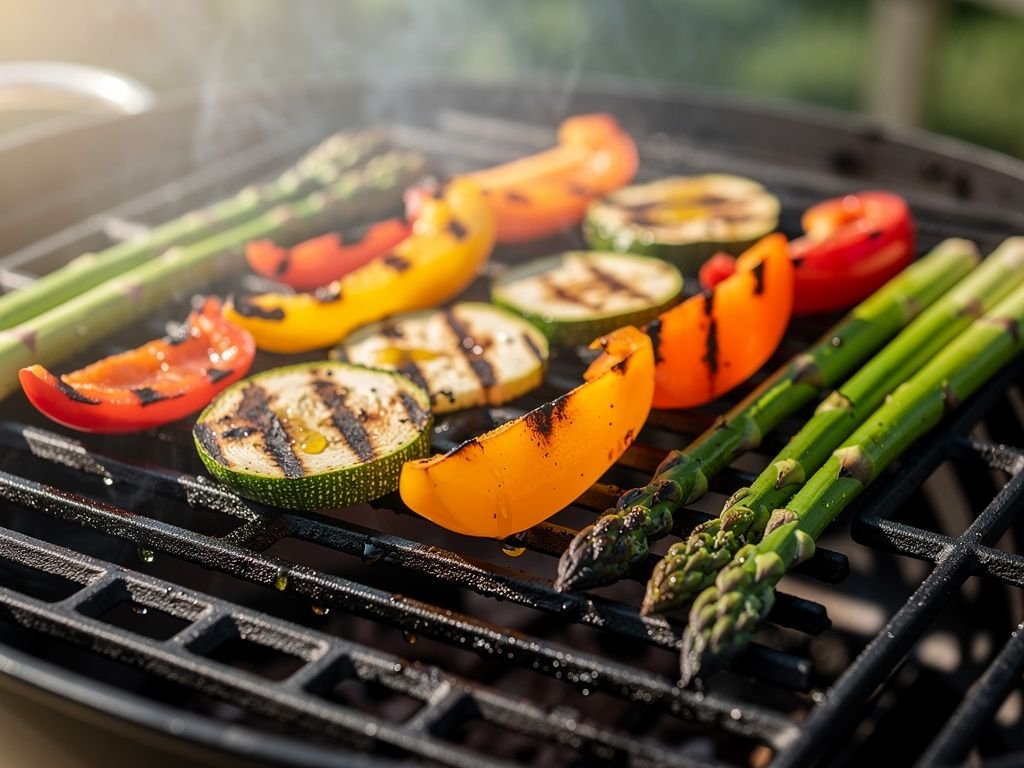
Rounds and half-moons handle cylindrical vegetables like cucumbers, zucchini, and carrots when you want a cross-section shape rather than cubes. And the mince, essentially an extremely fine dice, is what you want for garlic and ginger where you need the flavor to distribute evenly through a dish rather than showing up as distinct chunks. Keep your knife sharp; a dull blade forces you to apply more pressure, which is where most kitchen cuts to fingers actually happen.
Keep reading