Most meal-planning advice assumes you'll cook a different elaborate recipe every night, which is exactly why most meal plans collapse by Wednesday. A plan that actually survives two weeks of real life is built around a small rotation of components you can recombine, not a rigid nightly menu carved in stone.
Start by choosing three proteins, three starches, and four vegetables you're willing to eat repeatedly across the two weeks. This might sound boring on paper, but the combinations multiply fast: three proteins times three starches times four vegetables gives you 36 distinct meals before you've even varied the seasoning. Roasted chicken thighs with rice and broccoli one night becomes shredded chicken tacos with the same thighs two nights later.
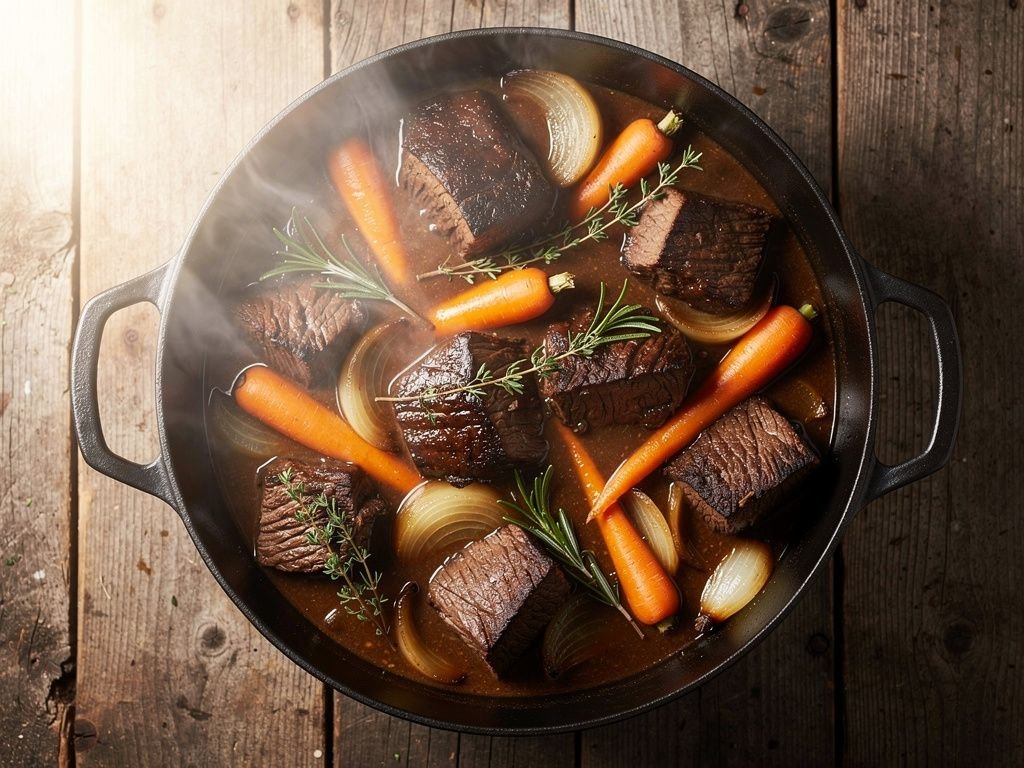
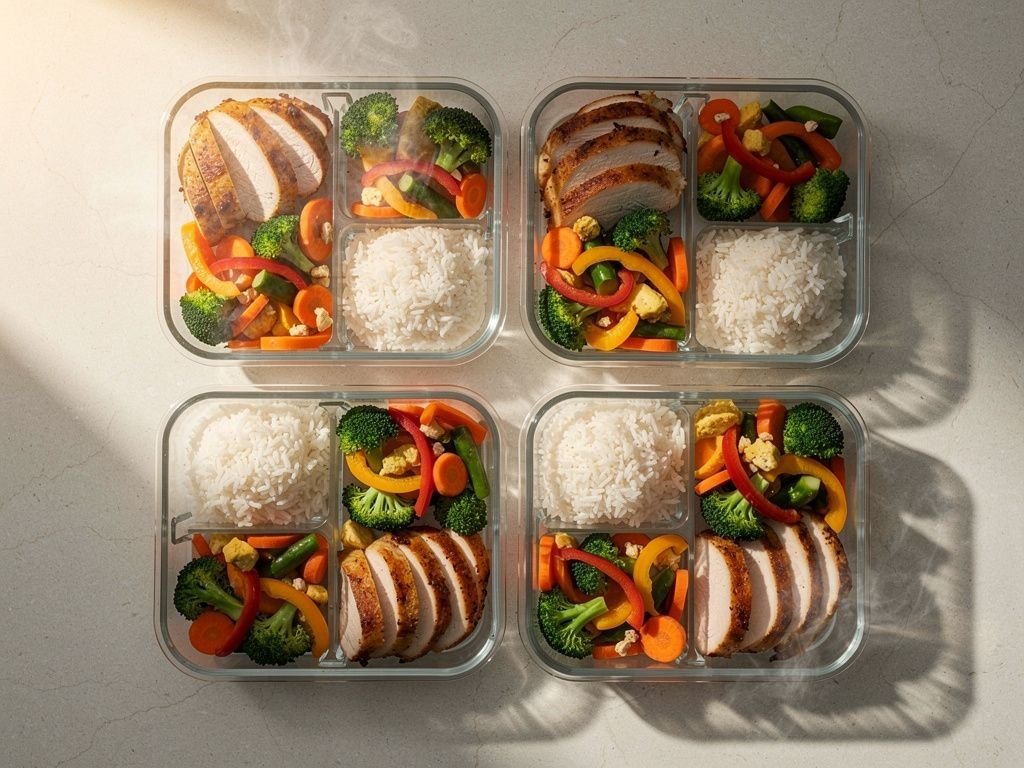
Batch your proofs of concept on a single prep day rather than cooking from scratch every evening. Roast two sheet pans of vegetables, cook a large pot of grains, and braise or roast your proteins in bulk. Store everything in clear containers so you can see what's available at a glance when you're deciding dinner at 6pm on a tired Tuesday.
Build in one or two flex nights per week where you eat out, order in, or make something entirely improvised from what's left in the fridge. Treating these as part of the plan rather than a failure of the plan removes the guilt that derails most people's meal-planning attempts by week two.
Finally, plan your grocery list around what you already have before adding anything new. A quick fridge and pantry inventory before shopping prevents the common trap of buying a full new set of ingredients for every planned meal when half of what you need is already sitting in your crisper drawer going soft.