It's easy to accumulate a pantry full of single-use ingredients that get used once and then languish in the back of a cabinet for years. A smarter approach is building a compact, high-overlap pantry where most items pull double or triple duty across different cuisines and meal types.
Start with a core set of oils and acids: a neutral oil for everyday cooking, a good olive oil for finishing, and two or three acids like rice vinegar, lemon, and a wine vinegar. Acid is the most underused tool in home cooking for balancing flavor, and having a few options on hand means you can always brighten a dish that tastes flat.
For spices, resist buying an enormous rack all at once. A focused list of cumin, smoked paprika, chili flakes, black pepper, a good curry powder, dried oregano, and cinnamon covers an enormous range of global flavor profiles when combined in different ratios. Add specialty spices only once you notice yourself reaching for a specific cuisine repeatedly.
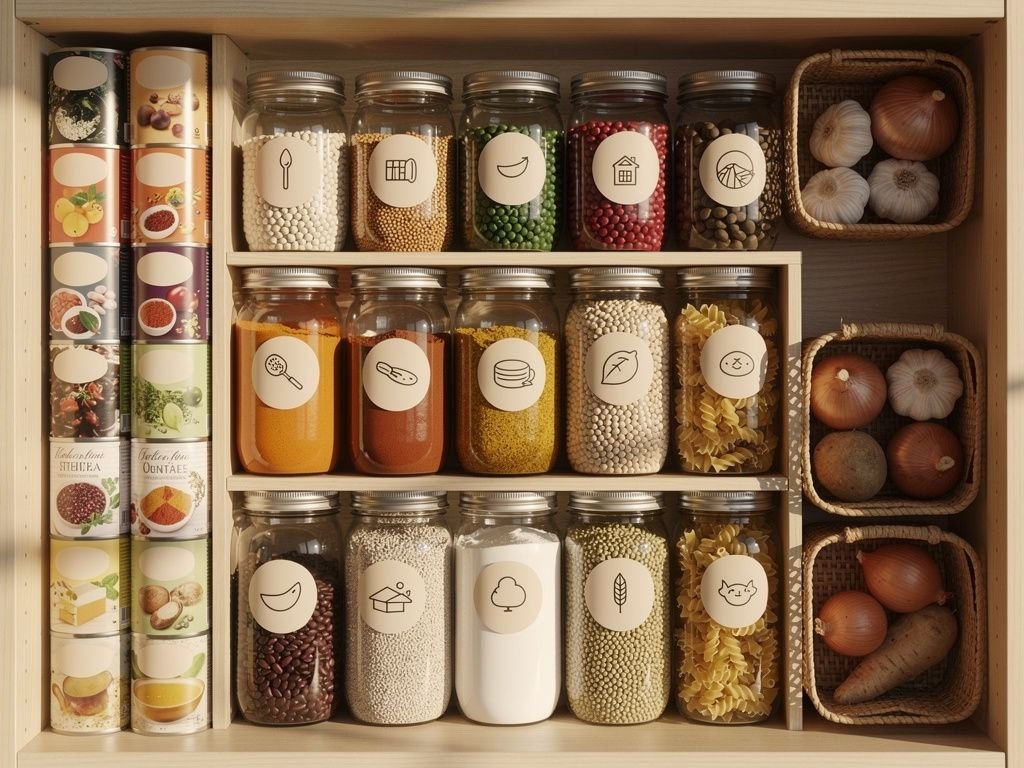
Canned and dried goods round out the pantry's backbone: canned tomatoes, a couple of bean varieties, coconut milk, stock concentrate or bouillon, and a rotation of grains like rice, a quick-cooking pasta, and something whole like farro or quinoa. These items have long shelf lives and form the base of countless meals with almost no advance planning required.
Finally, keep a small selection of umami boosters on hand: soy sauce, fish sauce, and a good miso paste. A spoonful of any of these can rescue a bland soup or sauce, and they last for months in the refrigerator, making them one of the highest-value additions to a compact pantry.